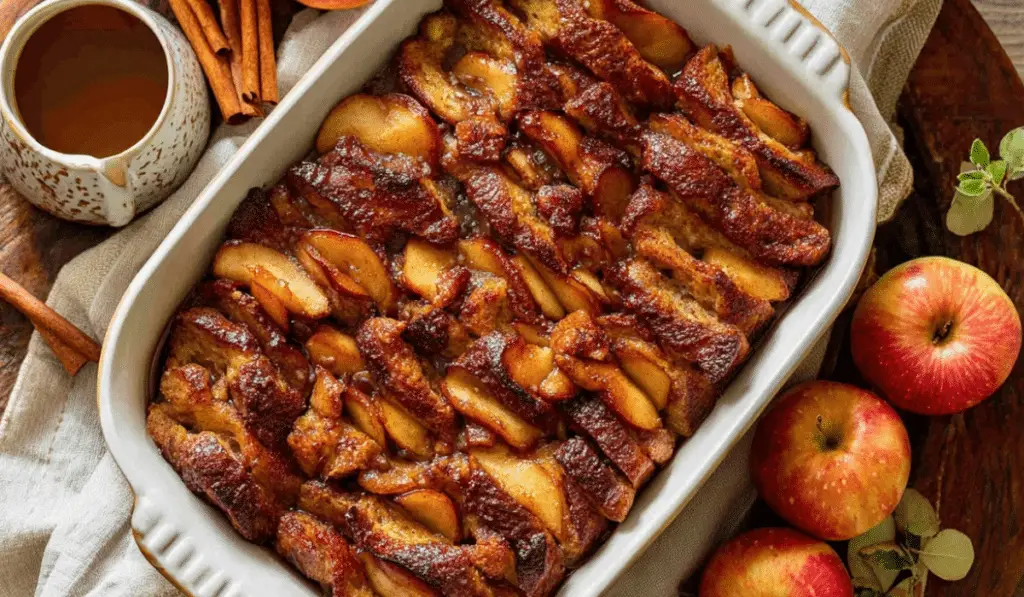
There’s something magical about crisp autumn mornings that practically beg for comfort food, and nothing delivers like Baked Apple Cider French Toast. This dish has all the heartwarming nostalgia of traditional French toast, but with a sweet cider twist that makes it unforgettable. In this guide, we’ll take you through how to make this cozy classic in your own kitchen, sharing personal touches, simple steps, and tips to help it shine. Whether you’re prepping for a weekend brunch or just want something extra special for breakfast, Baked Apple Cider French Toast is your new go-to.
Let’s dive into the full flavor story, how to prep it easily, ingredient breakdowns, variations you’ll love, and answers to common questions. We’ve also included links to similar recipes like Blueberry Cream Cheese French Toast Casserole and the fruity twist of Peach and Ham Stuffed French Toast for more inspiration.
The Story & Intro Behind Baked Apple Cider French Toast
A Breakfast That Started With a Fall Memory
The first time I made Baked Apple Cider French Toast was on a chilly October morning, the kind where every window shows dew and your hands instinctively reach for something warm. I’d just gotten back from an apple orchard trip, my trunk full of fresh apples and a gallon of local cider. That morning, the scent of spiced cider simmering in a saucepan mixed with vanilla and cinnamon turned my kitchen into something out of a storybook.
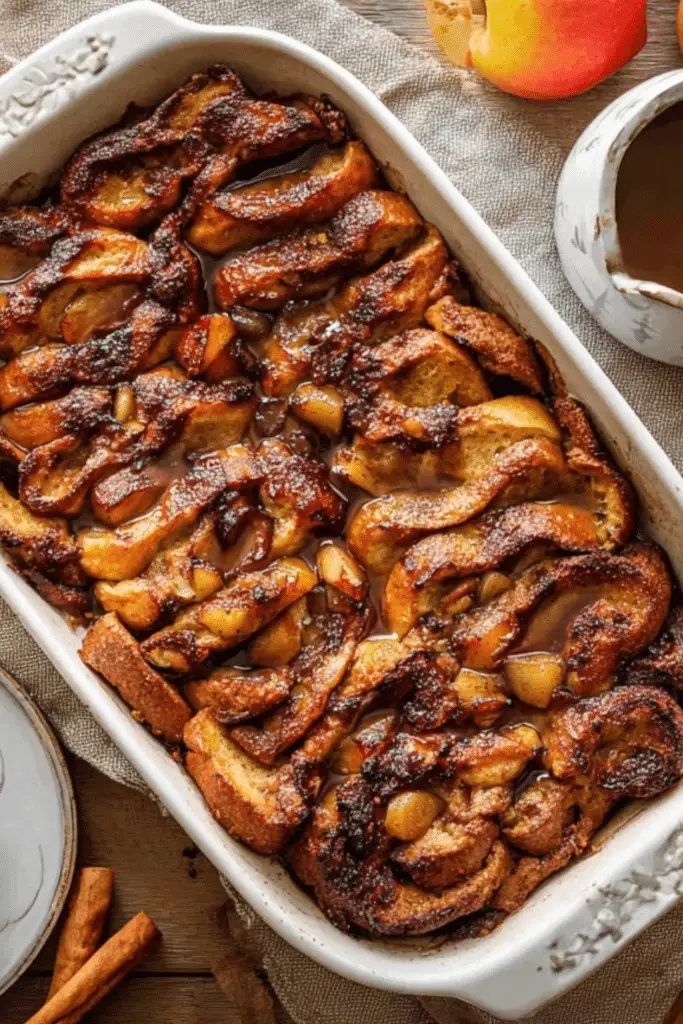
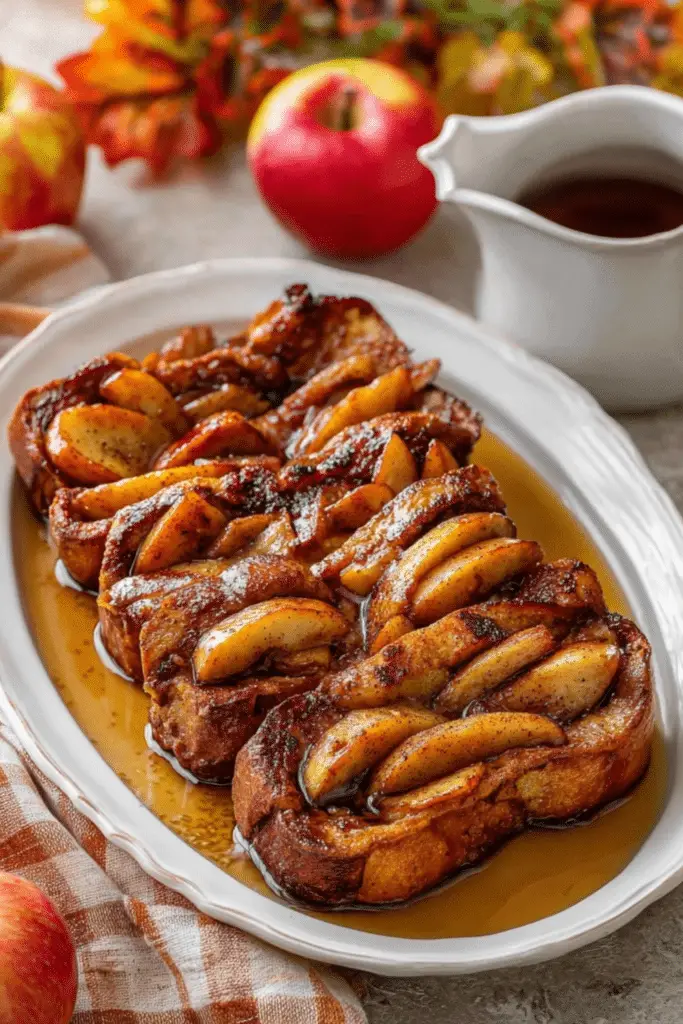
I soaked thick slices of brioche in a cider-infused custard, layered them into a baking dish, and topped it off with brown sugar and sliced apples. When it came out of the oven, golden and bubbling, I knew this wasn’t just another breakfast—it was a ritual I’d keep making every fall.
Over the years, I’ve tweaked and tested the recipe until it hit that perfect balance of sweet, spiced, soft inside, and slightly crisped edges. It’s now a brunch favorite and often shows up alongside dishes like Everything Bagel Make-Ahead Breakfast Casserole or Overnight Croissant Breakfast Casserole when hosting.
Print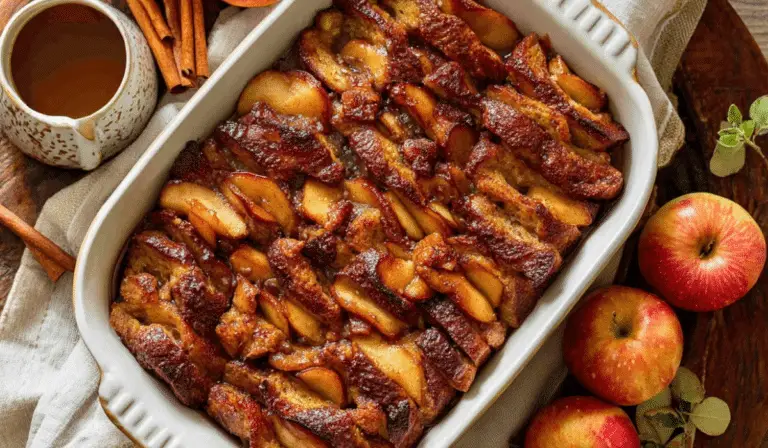
Baked Apple Cider French Toast: A Cozy Twist on a Classic Breakfast
This Baked Apple Cider French Toast is a cozy, spiced breakfast casserole with rich apple flavor, perfect for fall mornings or brunch gatherings.
- Total Time: 1 hr 5 mins
- Yield: 6 servings 1x
Ingredients
- 1 loaf brioche bread, sliced thick
- 6 eggs
- 1 1/2 cups whole milk
- 1/2 cup heavy cream
- 1 cup apple cider (reduced)
- 1/3 cup brown sugar
- 1 tsp cinnamon
- 1/2 tsp nutmeg
- 1 tsp vanilla extract
- 1–2 apples, thinly sliced
- Butter for greasing
Instructions
- Preheat oven to 350°F and grease a 9×13 baking dish with butter.
- Reduce apple cider on the stove until it thickens slightly.
- In a large bowl, whisk eggs, milk, cream, vanilla, spices, and reduced cider.
- Dip each bread slice into the custard and layer in the baking dish.
- Add sliced apples between layers and sprinkle with cinnamon sugar if desired.
- Pour remaining custard over the top. Cover and refrigerate overnight or bake immediately.
- Bake uncovered for 40–45 minutes until golden and set.
- Let rest for 10 minutes before serving warm with maple syrup or whipped cream.
Notes
- Use stale or day-old bread for best texture.
- Optional toppings: powdered sugar, whipped cream, pecans.
- Freeze leftovers in portions for up to 2 months.
- Prep Time: 20 mins
- Cook Time: 45 mins
- Category: Breakfast
- Method: Baking
- Cuisine: American
- Diet: Vegetarian
Nutrition
- Serving Size: 1 slice
- Calories: 360
- Sugar: 18g
- Sodium: 220mg
- Fat: 15g
- Saturated Fat: 8g
- Unsaturated Fat: 5g
- Trans Fat: 0g
- Carbohydrates: 45g
- Fiber: 2g
- Protein: 9g
- Cholesterol: 140mg
Why Apple Cider Makes All the Difference
Baked Apple Cider French Toast gets its signature flavor from cider—not apple juice. The cider is reduced slightly to intensify its natural sweetness and pairs beautifully with fall spices like cinnamon, nutmeg, and clove. That combination elevates the custard from simple to standout.
Using cider also gives this dish a balance of fruitiness and depth. It enhances the bread’s flavor while keeping the texture soft but never soggy. With each bite, you get that unmistakable warm apple spice flavor that just screams cozy comfort.
If you’ve tried other fall favorites, like pumpkin or cinnamon roll casseroles, you’ll love how cider creates a similar rich aroma but in a more refined, bright, and not-too-heavy way. It’s what makes this dish so versatile and seasonally special.
Mastering the Ingredients & Texture
Choosing the Right Bread
Not all bread is created equal for French toast, and the same goes for the baked kind. When making Baked Apple Cider French Toast, thick-cut brioche or challah is your best bet. These breads soak up the custard without falling apart and give you that rich, slightly buttery base that makes every bite melt in your mouth.
Try to avoid standard sliced sandwich bread unless it’s thick-cut and a day or two old. Fresh bread tends to get mushy, especially with the liquid-rich apple cider custard. A crusty, day-old loaf actually performs best here, much like it would in Easy Cinnamon Roll Casserole or Breakfast Sausage Casserole.
The Flavorful Custard
The custard base in this French toast is the heart of the dish. A combination of eggs, whole milk, heavy cream, pure vanilla, cinnamon, and, of course, apple cider brings depth and silkiness to every bite. Reducing the apple cider on the stovetop before adding it to the mixture concentrates the flavor without making the mix too watery.
Add a touch of brown sugar or maple syrup to the custard if you want extra sweetness. Some recipes suggest apple pie spice instead of individual spices, which works well too if you want a shortcut. You can also fold in chopped apples or layer them on top before baking for a more pronounced apple bite.
Baking It to Perfection
Layering Tips for Flavor and Texture
To build your Baked Apple Cider French Toast, begin by layering soaked bread in a greased baking dish. Slightly overlap the slices like shingles to ensure a golden crust on top and a custardy center. You can go rustic with uneven pieces or layer in neat rows—it all bakes beautifully.
Sprinkle cinnamon sugar or a mixture of crushed pecans and brown sugar between layers for an added crunch and caramelized finish. If you’re planning to serve this dish with other brunch hits like Loaded Breakfast Enchiladas or Cowboy Breakfast Sliders, keep your toppings classic to avoid competing flavors.
Oven Tips for That Golden Top
Bake uncovered in the center rack at 350°F for about 40–45 minutes. You want the edges to turn golden brown and the center to be set but slightly soft. If the top starts to brown too fast, loosely tent with foil during the last 15 minutes.
The aroma alone is worth it. You’ll know it’s ready when the top is puffed slightly and you hear gentle bubbling from the cider custard. Let it rest for 10 minutes before slicing. This lets it firm up without drying out.
You can refrigerate the entire dish overnight and bake it in the morning, making it just as easy and flexible as Breakfast Poutine or Breakfast Eggy Crumpets.
Delicious Variations & Smart Storage
Fall-Inspired Toppings
There’s no one way to finish off your Baked Apple Cider French Toast. Some drizzle it with warm maple syrup, while others dust it with powdered sugar and top it with sautéed apples. You can even spoon on a dollop of spiced whipped cream or vanilla Greek yogurt for a protein-boosted twist.
For a decadent brunch, pair this with Puff Pastry Croque Madame or English Muffin Breakfast Pizza. The contrast between savory and sweet creates a perfect balance.
To make it more festive, sprinkle in dried cranberries or chopped walnuts before baking. A drizzle of caramel sauce over the top before serving transforms this into a dessert-worthy dish.
Storing & Reheating
Store leftovers in an airtight container in the fridge for up to four days. To reheat, warm individual slices in the oven at 325°F for 10–15 minutes or microwave for 60–90 seconds. The texture holds up surprisingly well, even a few days later.
For longer storage, you can freeze the entire baked dish. Just wrap tightly in foil and freeze for up to two months. Thaw in the refrigerator overnight, then reheat in the oven until warmed through. This makes it just as practical as prepping Breakfast Tacos or Chorizo Breakfast Burritos ahead of time.
Serving Up the Final Words on Baked Apple Cider French Toast
Baked Apple Cider French Toast isn’t just breakfast—it’s a whole mood. Warm, spiced, and layered with comfort, it turns simple mornings into special moments. Whether you’re baking it for a cozy family brunch or prepping it ahead for holiday guests, this dish is guaranteed to impress. With its tender inside, crisp edges, and that unmistakable apple cider flavor, it’s both nostalgic and new.
This dish pairs beautifully with savory breakfast staples like Easy Homemade McGriddle Sandwiches or fun crowd-pleasers like Pancake Tacos, offering the perfect mix of indulgence and practicality.
Don’t forget—you can customize your Baked Apple Cider French Toast with different toppings, nuts, or even a touch of caramel. No matter how you serve it, every bite feels like a hug. So go ahead and give it a try. One bake, and you’ll know why this recipe has become a fall favorite in kitchens everywhere.
FAQs About Baked Apple Cider French Toast
Can I make Baked Apple Cider French Toast the night before?
Absolutely. In fact, letting it soak overnight helps the custard absorb better into the bread. Just cover the dish, refrigerate, and bake the next morning. It’s perfect for holiday brunches or meal prep.
What type of apple cider should I use?
Use unfiltered apple cider (not juice). The unfiltered version has a richer, more robust apple flavor that enhances the custard beautifully. Local cider from orchards works best, especially when slightly reduced before use.
Can I freeze leftovers of this French toast?
Yes! After baking, let it cool completely, then wrap tightly in foil and freeze. It reheats well in the oven. This makes it a great make-ahead option for busy mornings.
What’s the best bread for Baked Apple Cider French Toast?
Thick-cut brioche or challah is ideal. These absorb the custard without turning soggy and deliver a rich texture. Slightly stale or day-old bread works best for soaking up flavor.