
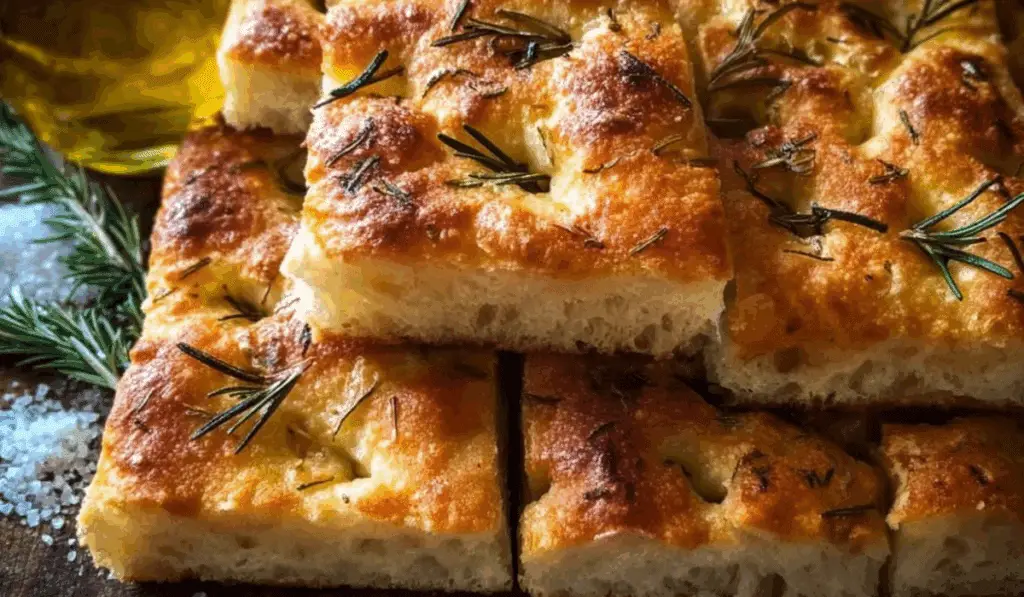
There’s something utterly magical about pulling a tray of homemade focaccia bread out of the oven. The golden crust crackles softly, the scent of olive oil and rosemary fills the kitchen, and every bite tastes like a warm hug from an Italian nonna. I still remember the first time I made homemade focaccia bread—flour everywhere, olive oil drizzled with wild abandon, and a sense of pride that something so simple could taste so rich.
It’s that kind of memory that keeps this recipe close to my heart. Whether you’re baking it for a cozy dinner, a party appetizer, or just a savory snack, this focaccia delivers. In this article, I’ll walk you through the steps, techniques, and tips that make homemade focaccia bread not just easy, but exceptional.
Let’s dive into the world of homemade focaccia bread and uncover its secrets together, from its story to your table.
The Origins and Allure of Homemade Focaccia Bread
Focaccia’s Italian Roots and Why It Still Matters
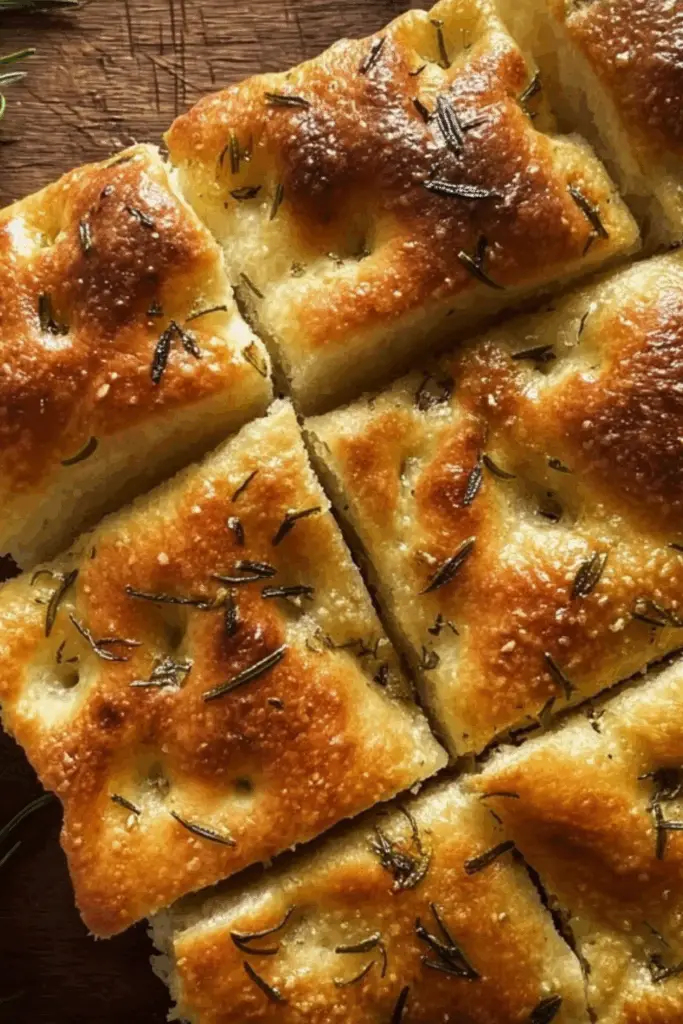
Homemade focaccia bread is more than just a side dish—it’s a cornerstone of rustic Italian cuisine. Originating from ancient Rome, focaccia was the pre-pizza, baked in the hearth on hot stones. Its name stems from the Latin word focus, meaning hearth or fireplace. And while the cooking method has evolved, the essence remains: soft inside, crisp outside, kissed with olive oil, salt, and sometimes fresh herbs.
The beauty of focaccia lies in its adaptability. In Liguria, it’s drenched in oil with coarse sea salt. In Bari, tomatoes and olives crown its surface. No matter where you enjoy it, this bread tells a regional story. Making it at home allows you to write your own version—with garlic, with cheese, or even topped with roasted veggies like those in this grilled mini sweet peppers with goat cheese recipe.
Print
Homemade Focaccia Bread: A Rustic Delight with Every Bite
A golden, crisp homemade focaccia bread with rosemary, olive oil, and the perfect soft interior. A true Italian classic that’s easy to make.
- Total Time: 12 hours
- Yield: 1 sheet pan (12 servings) 1x
Ingredients
- 4 cups all-purpose flour
- 2 tsp sea salt
- 2 1/4 tsp instant yeast
- 1 1/2 cups warm water
- 1/4 cup extra virgin olive oil (plus more for topping)
- 1 tbsp chopped rosemary
- 1 tsp flaky salt for topping
Instructions
- In a large bowl, combine flour, salt, and yeast.
- Stir in warm water until a sticky dough forms.
- Cover and let rest at room temperature for 8–12 hours.
- Grease a baking pan generously with olive oil.
- Transfer dough to the pan, gently stretching to fill.
- Let rise for 1–2 hours until puffy.
- Preheat oven to 450°F.
- Dimple dough with fingers and drizzle with more oil.
- Sprinkle rosemary and flaky salt on top.
- Bake for 20–25 minutes or until golden brown.
Notes
- Letting the dough rise overnight enhances flavor.
- Infused oil (garlic, rosemary) adds depth.
- Can be frozen and reheated for later use.
- Prep Time: 10 minutes
- Cook Time: 25 minutes
- Category: Bread
- Method: Baking
- Cuisine: Italian
- Diet: Vegetarian
Nutrition
- Serving Size: 1 slice
- Calories: 190
- Sugar: 0g
- Sodium: 290mg
- Fat: 7g
- Saturated Fat: 1g
- Unsaturated Fat: 6g
- Trans Fat: 0g
- Carbohydrates: 27g
- Fiber: 1g
- Protein: 4g
- Cholesterol: 0mg
Why Homemade Focaccia Bread Captures Our Taste Buds
What makes homemade focaccia bread so addictive? Texture and flavor. The airy crumb, punctuated with olive oil pockets, gives a satisfying chew. The golden crust crackles slightly under your fingers. A sprinkle of flaky salt or herbs, and you’ve got a bread that needs no topping—yet pairs beautifully with dips like this french onion dip.
But there’s also emotional satisfaction. It’s the kind of bread that brings people to the table. It’s torn, not sliced. Shared, not plated. That’s why once you make it yourself, store-bought versions just don’t cut it.
From Pantry to Pan: Mastering the Dough and Rise
Ingredients That Make the Magic Happen
At the heart of every homemade focaccia bread is a handful of humble ingredients. You don’t need anything fancy—just flour, water, yeast, salt, and good olive oil. Yet, the quality of each makes a difference. Opt for unbleached all-purpose or bread flour, sea salt, and cold-pressed extra virgin olive oil.
Want a dough that sings? Let it rest. An overnight rise in the fridge yields more flavor and an open crumb. And for a slightly tangy twist, toss in a spoonful of sourdough starter if you have it. When you’re after that pillowy texture and signature dimples, it’s all in the proofing. Just like you wouldn’t rush a breakfast tater tot casserole, focaccia rewards patience.
The Olive Oil Trick You Can’t Skip
Here’s where focaccia earns its gold medal: the oil bath. Before baking, your dough gets drenched—not brushed—in olive oil. That’s what crisps the bottom and gives the crust its irresistible bite. For even more flavor, infuse the oil with garlic, rosemary, or chili flakes before pouring it on. This technique turns your basic bread into a gourmet indulgence.
And don’t forget the dimple dance. Pressing your fingers into the dough before baking isn’t just for aesthetics—it traps that luscious oil in the surface, making every bite a flavor bomb. If you’ve ever enjoyed cheesy garlic parmesan burger bombs, you already know how the right blend of fat and flavor transforms a dish.
Topping Techniques and Creative Twists
Classic or Creative: What to Sprinkle on Top
You can’t go wrong with rosemary and sea salt. But homemade focaccia bread welcomes creativity. Try sun-dried tomatoes, kalamata olives, or thinly sliced red onions. Cheese lovers can sprinkle on parmesan or mozzarella just before baking.
Want to go sweet and savory? Add caramelized onions and a touch of honey. Or follow the Mediterranean vibe of pesto ricotta crostini with a swirl of pesto and cherry tomatoes.
Texture matters too. A dusting of cornmeal on the pan helps crisp the bottom. Meanwhile, toppings like sesame seeds or everything bagel seasoning add crunch and visual appeal.
Mini Focaccia and Sheet Pan Magic
Don’t feel confined to a full tray. Mini focaccias—made in muffin tins or cut into squares—are perfect for parties or meal prep. You can customize each one with different toppings to satisfy varied tastes. Think of it like creating savory versions of stuffed mushrooms, where each bite brings a new surprise.
Sheet pans make baking easy and consistent. Grease the pan generously to achieve that crispy base. And if you’re going for a thicker focaccia, use a smaller pan or double the dough.
Serving, Storing, and Reheating Like a Pro
How to Serve Homemade Focaccia Bread
Warm out of the oven, homemade focaccia bread needs no introduction. Tear it and serve as-is, or pair with olive oil and balsamic vinegar for dipping. It’s the perfect side for soups, salads, or pasta. It also makes an unbeatable sandwich base—just slice horizontally and stuff with roasted veggies, cured meats, or cheese.
Try serving focaccia with hearty brunch recipes like crescent roll breakfast casserole or fresh salads featuring grilled peppers. It even makes a luxurious foundation for mini pizzas.
Storing and Reheating Without Losing Magic
Focaccia is best fresh but still delightful the next day. Store leftovers wrapped in foil or airtight containers at room temp for up to two days. For longer storage, freeze slices with parchment between them.
To reheat, skip the microwave. Instead, pop slices in a 375°F oven for 8–10 minutes. That revives the crust and keeps the center moist. If you’re planning brunch, try pairing reheated focaccia with something rich like blueberry cream cheese French toast casserole for a sweet and savory spread.
Serving Up the Final Words
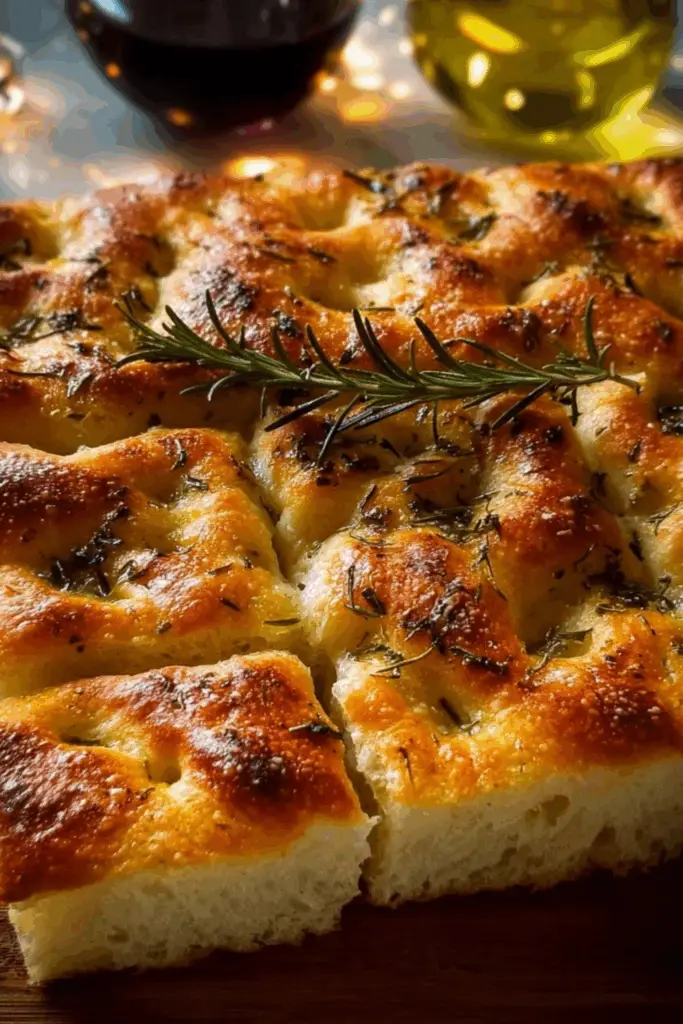
Homemade focaccia bread turns a few basic ingredients into a feast. It’s golden, flavorful, and joyfully simple to make. From mixing the dough to drizzling the olive oil and choosing your toppings, each step connects you to a tradition of shared meals and warm kitchens. Whether you’re serving it with breakfast casseroles or elevating your dinner game, focaccia offers both comfort and culinary flair. Once you’ve baked it yourself, you’ll understand why it’s worth every delicious dimple.
Frequently Asked Questions About Homemade Focaccia Bread
How do I get the perfect crust on homemade focaccia bread?
To achieve that iconic golden, crispy crust on your homemade focaccia bread, you need a combination of high hydration dough, a well-oiled baking pan, and a hot oven (ideally 450°F). Letting the dough rise slowly enhances flavor and structure. Dimpling the surface with your fingers before baking helps trap olive oil, creating golden pools of crispy goodness. Try using infused oil, as featured in this cranberry brie pull-apart bread, to deepen the flavor.
Can I make homemade focaccia bread without yeast?
Yes, you can, though it won’t have the same airy texture. Substitute yeast with baking powder or a sourdough starter. The result will be denser but still delicious. If you’re short on time, focus on flavor boosters like garlic oil or herbs, much like the intense flavors in chorizo breakfast burrito to compensate for the lack of fermentation.
How do I store leftover focaccia without it turning soggy?
Wrap it loosely in foil or parchment and store at room temperature for up to two days. Avoid airtight containers, which trap moisture and ruin the crust. For longer storage, freeze slices between parchment and reheat them in the oven—never the microwave. You can serve it later with savory bites like the irresistible sausage rolls, keeping that artisan feel intact.
What makes focaccia different from other breads like pizza dough?
While they share basic ingredients, homemade focaccia bread contains more olive oil and often has a higher hydration level. The result? A softer, chewier crumb and crispier edges. It’s also topped before baking—whereas pizza is topped after the base is par-baked. This technique is what gives focaccia its identity. When baked right, its versatility can rival a loaded breakfast enchilada in richness and satisfaction.