
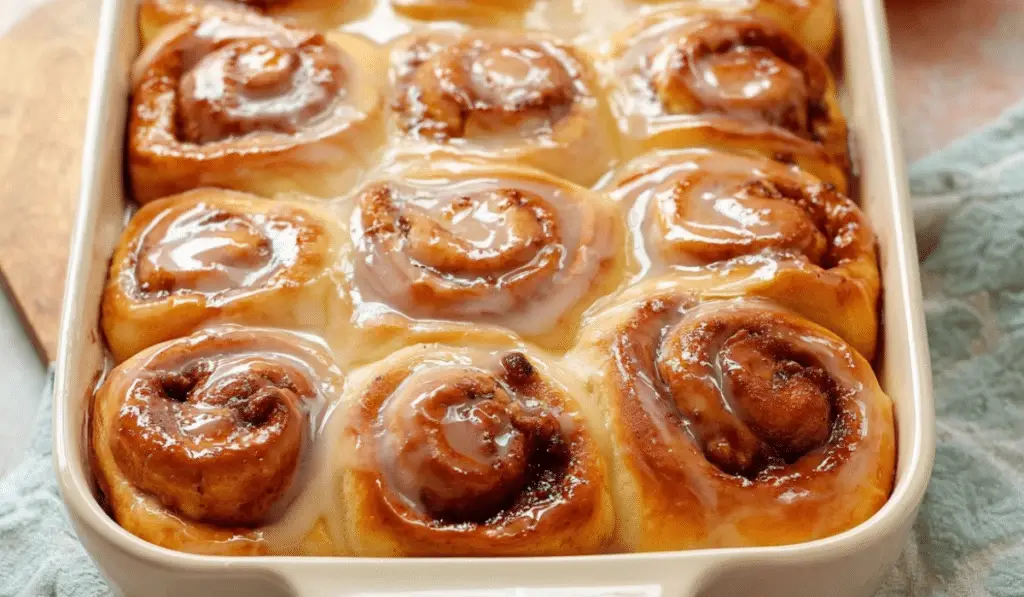
There’s something comforting about waking up to the warm, citrusy aroma of Homemade Orange Sweet Rolls baking in the oven. Growing up, these rolls were a Sunday tradition in my house. My grandmother would zest oranges with such precision you’d think she was preparing them for royalty. The kitchen always smelled like sunshine—bright, sweet, and fresh. Unlike traditional cinnamon rolls, her orange version was lighter, brighter, and somehow more joyful. That scent, that softness, that gooey orange glaze—every bite felt like a warm hug.
Now, I make them every winter holiday, and I’ve come to realize these rolls don’t just bring flavor—they carry nostalgia, comfort, and a pop of citrus magic that’s hard to beat. Whether you’re a seasoned baker or someone exploring weekend baking for the first time, this recipe for Homemade Orange Sweet Rolls will become a beloved go-to in your kitchen.
Why Orange Sweet Rolls Deserve a Spot in Your Baking Routine
A Fresh Spin on a Beloved Classic
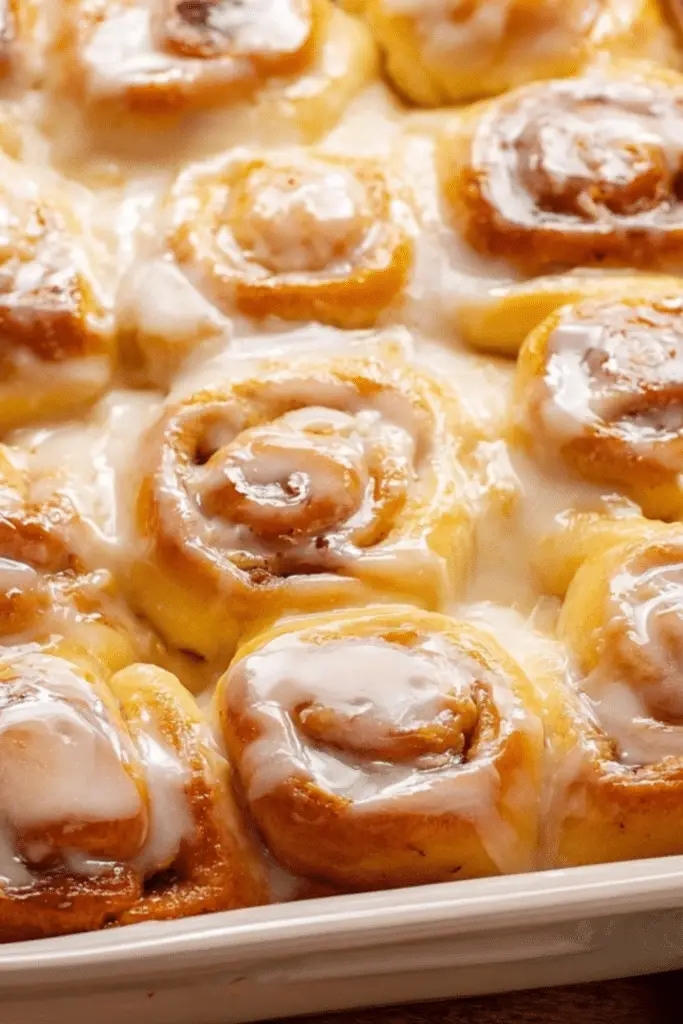
Homemade Orange Sweet Rolls aren’t just a breakfast treat—they’re a sweet, tangy celebration of everything we love about citrus season. The bright punch of orange zest cuts through the richness of the dough, creating a balanced flavor that keeps you coming back for more. While cinnamon rolls can be heavy, orange rolls feel refreshing and satisfying without the overload. That makes them ideal not only for breakfast but also as a mid-afternoon snack or post-dinner dessert. And if you’re already a fan of cinnamon-based treats like these strawberry cinnamon rolls or cinnamon roll cookies, you’ll appreciate how orange sweet rolls elevate that experience with a citrusy twist.
Print
Homemade Orange Sweet Rolls: A Zesty Twist on a Classic Favorite
These Homemade Orange Sweet Rolls are soft, fluffy, and bursting with fresh citrus flavor, topped with a creamy orange glaze.
- Total Time: 1 hour 50 minutes
- Yield: 12 rolls 1x
Ingredients
- 3 cups all-purpose flour
- 1 packet active dry yeast
- 1/4 cup granulated sugar
- 1/2 teaspoon salt
- 1/2 cup milk (warm)
- 1/4 cup unsalted butter (melted)
- 2 large eggs
- Zest of 2 oranges
- 1/2 cup orange juice
- 1/2 cup butter (softened, for filling)
- 1/2 cup sugar (for filling)
- 4 oz cream cheese
- 1 cup powdered sugar
Instructions
- In a large bowl, combine warm milk, yeast, and sugar. Let it activate for 5 minutes.
- Add eggs, melted butter, salt, and flour. Mix until dough forms.
- Knead the dough for 6–8 minutes until smooth. Cover and let rise until doubled (about 1 hour).
- Roll dough into a rectangle. Spread softened butter, sprinkle orange zest and sugar evenly.
- Roll tightly, slice into 12 rolls, and place in greased baking dish. Let rise again for 30 minutes.
- Bake at 350°F for 25–30 minutes until golden.
- Whisk cream cheese, orange juice, and powdered sugar. Spread glaze over warm rolls and serve.
Notes
- You can prep the night before and refrigerate overnight before baking.
- Add chopped nuts or cranberries for variations.
- Use dental floss to slice rolls cleanly.
- Prep Time: 1 hour 20 minutes
- Cook Time: 30 minutes
- Category: Breakfast
- Method: Baking
- Cuisine: American
- Diet: Vegetarian
Nutrition
- Serving Size: 1 roll
- Calories: 310
- Sugar: 18g
- Sodium: 150mg
- Fat: 12g
- Saturated Fat: 6g
- Unsaturated Fat: 5g
- Trans Fat: 0g
- Carbohydrates: 44g
- Fiber: 1g
- Protein: 5g
- Cholesterol: 45mg
Homemade vs. Store-Bought: The Flavor is in the Freshness
There’s no denying the convenience of popping open a store-bought tube of sweet rolls—but nothing compares to the taste of Homemade Orange Sweet Rolls made from scratch. The dough is tender and slightly chewy, the filling is made with real orange zest and sugar (not artificial flavoring), and the icing is creamy with just the right zing. You control the sweetness, the fluffiness, and the freshness. When you use real ingredients, the difference isn’t just noticeable—it’s unforgettable. And when paired with a recipe like this easy cinnamon roll casserole or a citrusy twist on a brunch classic such as baked cream cheese French toast casserole, you’ve got yourself a citrus-lover’s dream feast.
The Magic Behind the Dough and Filling
Building the Perfect Dough
The heart of any great roll is the dough, and Homemade Orange Sweet Rolls are no exception. This dough is enriched, meaning it contains butter, eggs, and milk, which gives it a soft, pillowy texture. You’ll need to knead it just enough to develop the gluten but not so much that it becomes tough. Letting the dough rise until it doubles in size allows the yeast to create that signature airy softness. The trick is warmth and patience—just like letting the flavor build in a slow-simmered sauce.
As it rises, you can prepare your filling with a mixture of orange zest, sugar, and softened butter. Spread it generously. That swirl of citrus sugar in every bite is what makes these rolls sing. Much like the lemon cake roll that offers layers of sweet and tang, these rolls use dough to showcase flavor—not just hold it.
Zest, Juice, and Everything Nice
The filling for Homemade Orange Sweet Rolls is simple but bold. Freshly grated zest brings in bright oils that carry a powerful aroma and punch of flavor. Don’t skip the zest—it’s the key ingredient that makes orange rolls stand out. Mix that with granulated sugar and a bit of butter, and you’ve got a spread that melts into the dough during baking.
And let’s not forget the glaze. While many recipes use powdered sugar and milk, we elevate it with freshly squeezed orange juice and cream cheese. This gives the icing a tangy richness, similar to the contrast you’ll find in strawberry crunch cupcakes or layered desserts with bold top notes.
Shaping, Proofing, and Baking for Perfection
Rolling Out the Goodness
Once your dough has risen and your orange filling is ready, it’s time to roll. Roll the dough into a large rectangle, spread the filling across every inch, and tightly roll it up like a jelly roll. Cut into even pieces—dental floss works wonders here for clean slices without squishing. Place the rolls in a greased baking dish, leaving a bit of space for them to expand.
They’ll need one final rise before baking. This second proof is when the rolls get ultra-light and fluffy. As they rise, you’ll begin to smell hints of orange. It’s a little like prepping blueberry cream cheese French toast casserole: a few extra steps, but so worth the reward.
Bake Until Golden and Glorious
Bake your Homemade Orange Sweet Rolls at 350°F for 25–30 minutes, or until they’re golden on top and fully baked inside. Don’t rush them. If you’re unsure, test one with a toothpick—it should come out clean.
While they bake, whip up your glaze. As soon as the rolls come out of the oven, drizzle the glaze on top while they’re warm. This lets the icing melt slightly and seep into every swirl. It’s like adding the finishing touch to banana bread truffles—a sweet top layer that takes everything to the next level.
Elevating Your Orange Sweet Rolls Experience
Creative Variations and Add-Ins
While the original recipe is perfect on its own, Homemade Orange Sweet Rolls are incredibly adaptable. Want a bit of crunch? Add chopped walnuts or pecans to the filling. Craving more depth? A splash of vanilla or almond extract in the dough can add complexity. You could even swirl in a bit of cranberry sauce during the holidays, much like the flavor burst found in crescent roll breakfast casseroles.
You can also make them in muffin tins for individual servings or bake them in a cast iron skillet for crispy edges and a soft center—similar to how a classic pumpkin roll combines outer texture with inner softness.
Make-Ahead Tips for Stress-Free Mornings
If you’re not a morning person, don’t worry—you can still enjoy Homemade Orange Sweet Rolls fresh out of the oven. Just prepare them the night before, cover the dish tightly, and refrigerate overnight. In the morning, let them come to room temperature for about 30 minutes before baking. This method lets you wake up to almost-ready rolls with none of the early effort.
It’s a perfect make-ahead option for guests or holidays, much like prepping cinnamon sugar twist doughnuts the night before. These kinds of time-saving tips help you stay present without compromising on quality, making every breakfast feel like a celebration.
Serving Up the Final Words on Homemade Orange Sweet Rolls
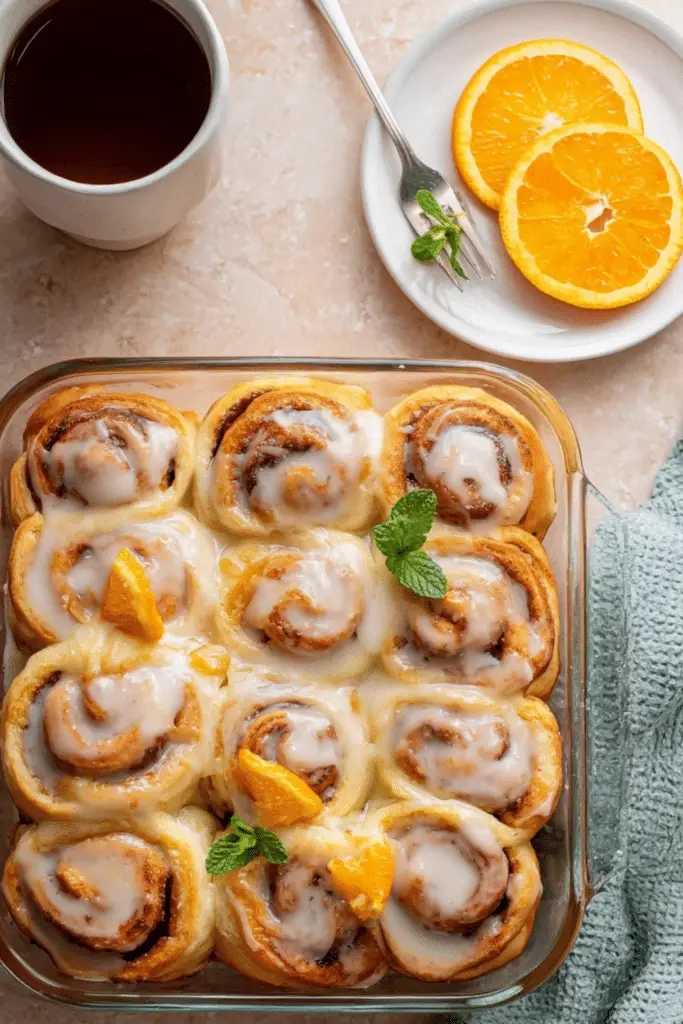
There’s something deeply satisfying about pulling a tray of Homemade Orange Sweet Rolls from the oven and watching the glaze melt into the golden swirls. These rolls don’t just fill your kitchen with a citrusy aroma—they fill your home with warmth, joy, and togetherness. Whether it’s a weekend brunch, a holiday breakfast, or simply a way to make an ordinary day feel special, this recipe delivers flavor and comfort in every bite.
Unlike store-bought versions, homemade rolls give you full control over the ingredients and intensity of the orange flavor. And once you’ve mastered the technique, the recipe opens up to endless variations—from added nuts to spiced infusions. If you love experimenting like you might with whipped shortbread cookies or snickerdoodle cobbler, you’ll enjoy making this your signature dish.
So go ahead—get your hands dusted with flour, zest those oranges, and treat yourself and your loved ones to the cozy brightness of Homemade Orange Sweet Rolls. With their golden swirls and tangy glaze, these aren’t just baked goods—they’re memories in the making.
FAQ: Homemade Orange Sweet Rolls
What’s the best type of orange to use in Homemade Orange Sweet Rolls?
Navel oranges are ideal because they’re seedless, juicy, and have flavorful zest. You can also use Cara Cara oranges for a sweeter twist.
Can I freeze Homemade Orange Sweet Rolls?
Yes! After baking and cooling, wrap them tightly and freeze for up to 2 months. For best results, freeze before glazing and add fresh glaze after reheating.
How do I keep the rolls from being too dry?
Don’t overbake, and make sure to tightly roll your dough with a good amount of filling. You can also brush them with orange juice before baking for added moisture, like you might when baking deep-fried Oreos.
Can I make this with pre-made dough?
Yes, but the results won’t be as rich or soft. For example, homemade dough gives a much better texture and flavor than shortcut versions—just like homemade sausage rolls versus store-bought ones.