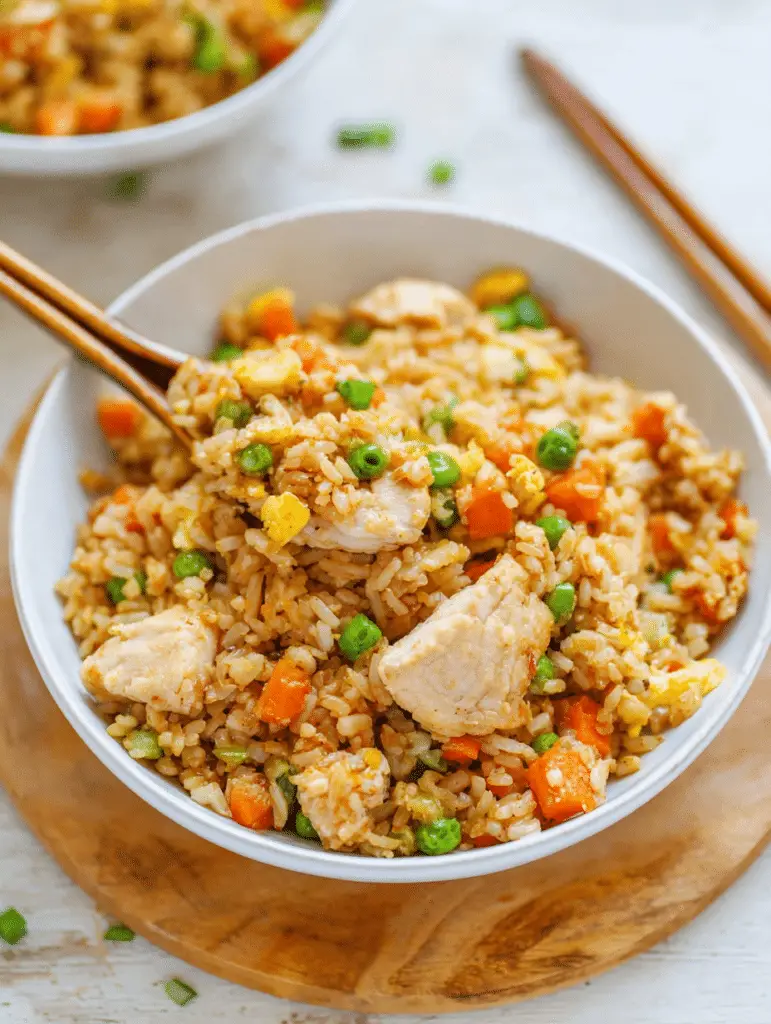
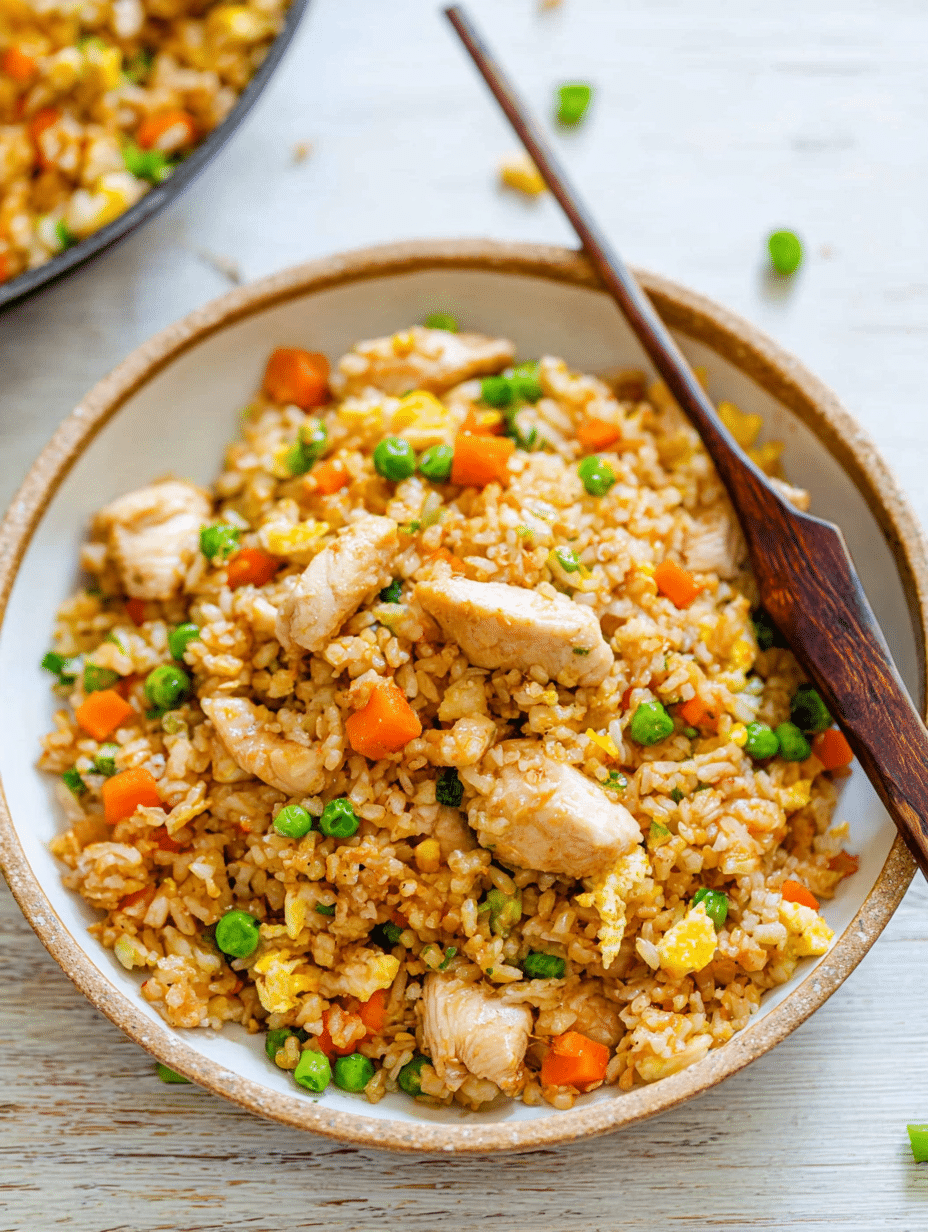
This Better-Than-Takeout Chicken Fried Rice is the only fried rice recipe you will ever need — and I mean that. You know that moment at 7pm on a Tuesday when you’re staring at your phone, scrolling through delivery apps, watching the estimated wait time tick up to 55 minutes? Yeah. I’ve been there more times than I can count. And when the food finally shows up, the rice is somehow both soggy AND cold, the chicken is rubbery, and you’ve spent $25 for the privilege. Not anymore. This recipe changed everything for me, and once you make it at home, I promise you’ll never look at a delivery menu the same way again. Learn more in our article about Blackstone Griddle Hibachi Chicken.
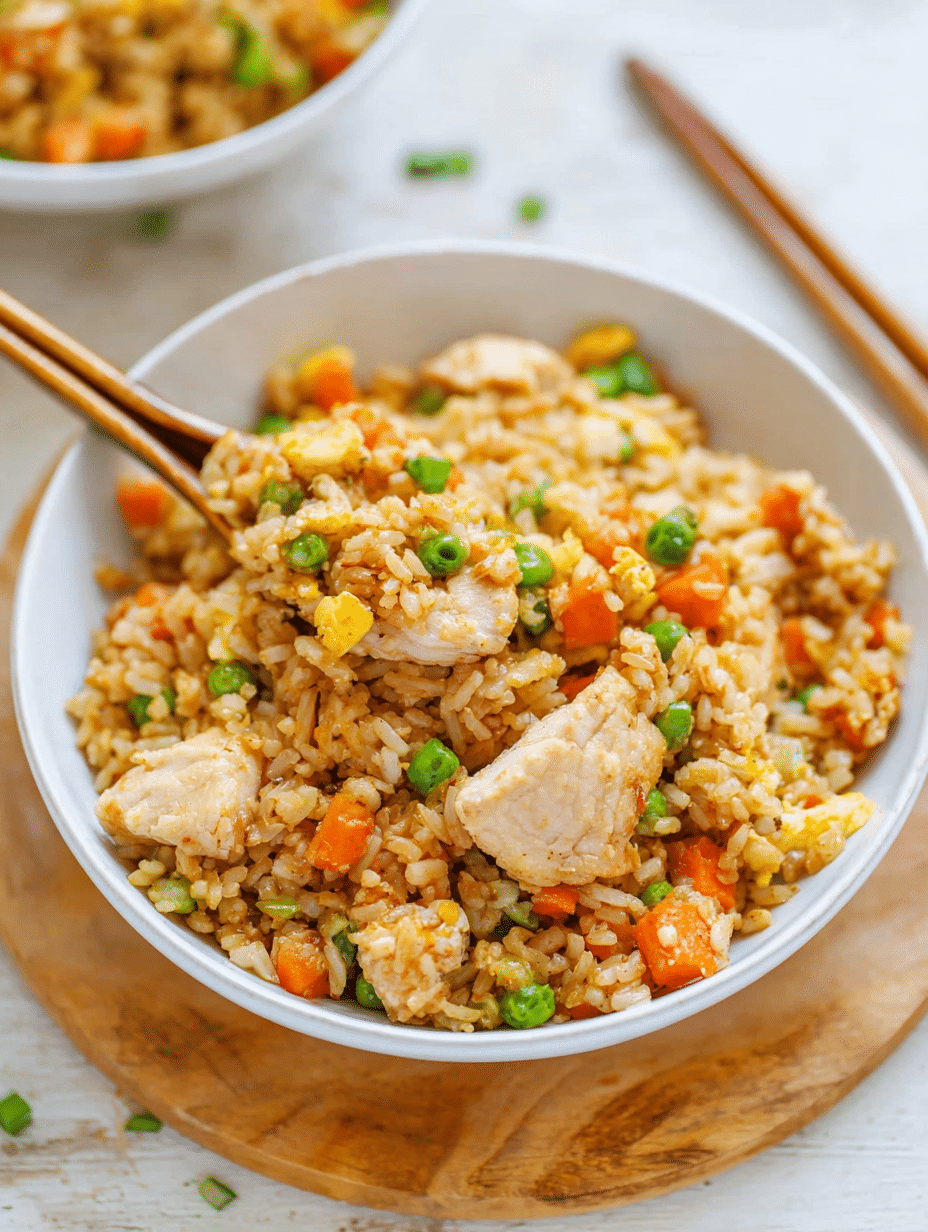
Table of Contents
Here’s what makes homemade chicken fried rice genuinely better than takeout: you control every single thing that goes into the wok. Fresh garlic, properly marinated chicken thighs, day-old jasmine rice that fries up light and fluffy instead of clumping into one sad mass — it all comes together in about 30 minutes, in one pan, on your own stove. Homemade chicken fried rice uses day-old rice for perfect texture, fresh vegetables, and high-heat cooking that rivals restaurant wok flavor — all customizable to your taste. And honestly? Trust me, you’re going to love this. The first time you hear that rice sizzle against a screaming-hot cast iron skillet, you’ll know something special is happening. Learn more in our article about Teriyaki Pineapple Chicken Rice Stuffed Peppers.
I also have to say this upfront: most recipes use way too much salt. Between the soy sauce, the oyster sauce, and the dark soy, it’s really easy to overdo it and end up with a dish that just tastes like a salt lick. My version is carefully balanced. The sauce has depth and a subtle sweetness without making you reach for a glass of water every two bites. You’re going to taste the chicken, the wok char, the sesame — the way it should be.
Why This Recipe Works
Before we get into ingredients, let me tell you exactly why this Better-Than-Takeout Chicken Fried Rice turns out so well every single time. First: day-old rice. This is non-negotiable. Freshly cooked rice is too moist — the grains steam against each other in the wok and you end up with a gluey, clumped mess. Rice that’s been in the fridge overnight dries out beautifully. Each grain stays separate, soaks up the sauce evenly, and develops those gorgeous crispy little edges when it hits the hot pan. Light and fluffy on the inside, with just a hint of chew. That texture is everything.
Second: chicken thighs over chicken breast. Thighs have more fat running through them, which means they stay tender and juicy under high heat instead of drying out and going rubbery. We also marinate them in a quick cornstarch-and-soy mixture — a technique called velveting — which gives every piece a thin, silky coating that locks in moisture and creates a light golden sear. Third: high heat, always. The pan needs to be hot enough that the oil shimmers and almost smokes before anything goes in. That’s what creates wok hei — the slightly smoky, slightly charred flavor that restaurant fried rice has and home cooking usually doesn’t. Fourth: sesame oil goes in at the very end, off the heat. High temperatures destroy its delicate nutty aroma. One drizzle at the finish line does more than a tablespoon cooked in ever could.
Ingredients
For the Chicken Marinade
| Ingredient | Quantity | Notes |
|---|---|---|
| Boneless, skinless chicken thighs | 1 lb | Cut into ½-inch cubes |
| Soy sauce | 1 tbsp | |
| Cornstarch | 1 tsp | |
| Sesame oil | ½ tsp | |
| Ground white pepper | ¼ tsp |
For the Fried Rice Base
| Ingredient | Quantity | Notes |
|---|---|---|
| Day-old cooked jasmine rice | 3 cups | Cold, refrigerated overnight |
| Large eggs | 3 | Lightly beaten |
| Frozen peas and carrots mix | 1 cup | Thawed |
| Yellow onion | ½ cup | Finely diced |
| Garlic cloves | 3 | Minced |
| Green onions | 3 stalks | Sliced, whites and greens separated |
| Vegetable oil | 3 tbsp | Divided |
For the Sauce
| Ingredient | Quantity | Notes |
|---|---|---|
| Soy sauce | 3 tbsp | |
| Oyster sauce | 1 tbsp | |
| Dark soy sauce | 1 tsp | For color and depth |
| Sesame oil | 1 tsp | Added at finish — not in the bowl |
| Sugar | ½ tsp | |
| Ground white pepper | ¼ tsp |
Quick Ingredient Swaps
| Original | Substitute |
|---|---|
| Chicken thighs | Chicken breast, shrimp, or firm tofu |
| Oyster sauce | Hoisin sauce, or omit entirely for gluten-free |
| Jasmine rice | Long-grain white rice or brown rice |
| Dark soy sauce | Regular soy sauce (color will be lighter) |
Equipment You’ll Need
- 14-inch wok or large cast iron skillet — Essential. High heat retention is what separates good fried rice from great fried rice.
- Wooden spatula or wok spatula — For tossing and pressing the rice against the hot surface.
- 2 mixing bowls — One for the chicken marinade, one for the sauce.
- Chef’s knife and cutting board — You’ll be doing real prep work here, so use a proper knife.
- Measuring spoons and cups — Essential. Eyeballing sauce ratios is how you end up with something too salty or too bland.
A quick note on the pan: I hate gadgets, but a good cast iron skillet is the one piece of equipment I will always insist on for this dish. Non-stick pans cannot safely reach the temperatures you need here — they’ll degrade, and your rice will steam instead of sear. Carbon steel wok, cast iron skillet — either one works beautifully. That’s your whole setup.
How to Make Better-Than-Takeout Chicken Fried Rice
Start by marinating your chicken. Toss the cubed chicken thighs into a bowl with 1 tbsp soy sauce, 1 tsp cornstarch, ½ tsp sesame oil, and ¼ tsp white pepper. Use your hands or a spoon to coat every piece evenly. The cornstarch is the secret here — it forms that thin, velvety coating that keeps the chicken tender and juicy under brutal wok heat instead of drying out the moment it hits the pan. Let the chicken sit for at least 10 minutes at room temperature while you get everything else ready. I forgot half the ingredients the first time. Embarrassing, but hey — that’s how you learn. Now I lay out every single ingredient on the counter before I turn on a single burner. That habit has saved this dish more times than I can count. While the chicken marinates, whisk together your sauce: 3 tbsp soy sauce, 1 tbsp oyster sauce, 1 tsp dark soy sauce, ½ tsp sugar, and ¼ tsp white pepper. Set that bowl right next to the stove. Do not add the sesame oil yet — that goes in at the very end.
Next up, prep your rice. Take your cold day-old jasmine rice out of the fridge and spread it in a large bowl or on your cutting board. Break up every clump with your fingers or a fork until each grain is separate and free. This is the single most important texture step in the entire recipe. Clumped rice doesn’t fry — it steams into a gluey pile and no amount of high heat will save it after that point. Once the rice is broken up and looking light and fluffy, it’s ready. Now get your wok or cast iron skillet on the burner over high heat. Give it two full minutes to preheat. You want to see a faint wisp of smoke rising from the surface before you add a single drop of oil. That heat is what creates the wok hei — the smoky, slightly charred depth of flavor that makes this Better-Than-Takeout Chicken Fried Rice taste like it came from a real restaurant kitchen.
Add 1 tbsp of vegetable oil to the hot pan and swirl it to coat the surface. Add your marinated chicken in a single layer and leave it alone for two full minutes — do not touch it, do not stir it. Let it sear. You want golden-brown char marks on the underside before you start moving anything. Then stir-fry for another 1 to 2 minutes until the chicken is cooked through and hits an internal temperature of 165°F, with those beautiful caramelized edges. Remove the chicken from the pan and set it aside on a plate. Meanwhile, drop the heat to medium-high. Add ½ tbsp oil to the same pan, then pour in your lightly beaten eggs. Scramble them quickly, breaking them into soft, golden curds. Pull them out just before they’re fully set — they’ll look slightly underdone and that’s exactly right. They’ll finish cooking later when you fold them back into the rice. Set the eggs aside with the chicken.
Now for the best part. Crank the heat back to high. Add the remaining 1½ tbsp of vegetable oil to the wok. When it shimmers, add the diced yellow onion and the white parts of your green onions. Stir-fry for about a minute until the onion softens and the edges turn just slightly golden. Add the minced garlic and cook for 30 seconds — you’re looking for fragrant, not browned. If garlic burns in this dish, it turns bitter and there’s no coming back from that. Add the thawed peas and carrots and toss everything together for another minute until warmed through. Now add your broken-up rice. Spread it into an even layer across the surface of the pan and press it down lightly with your spatula. Let it sit undisturbed for a full minute — this is how you get those crispy, slightly charred edges on the individual grains that make this Better-Than-Takeout Chicken Fried Rice so addictive. Then toss and stir continuously for another 2 to 3 minutes, keeping that heat high the whole time. If your pan feels small, do the rice in two batches — a crowded wok drops in temperature and you’ll lose the sear entirely.
Pour the pre-mixed sauce evenly over the rice in one confident pour and toss vigorously to coat every single grain. Cook for one more minute, stirring constantly, and watch the rice turn that gorgeous, deep golden-brown color from the dark soy sauce. This is a total crowd-pleaser moment — the smell alone will bring everyone into the kitchen. Return the seared chicken and those soft scrambled egg curds back to the wok. Fold everything together gently using a scooping, folding motion rather than aggressive stirring so the egg pieces stay intact and don’t break down into tiny flecks. Give it about one minute until everything is heated through and beautifully combined. Remove the wok from heat completely, then drizzle 1 tsp of sesame oil over the top and toss once more. That final drizzle off the heat is what gives Better-Than-Takeout Chicken Fried Rice its signature nutty aroma without cooking away the delicate flavor. Scatter the green tops of your sliced green onions over everything and serve immediately — this dish is at its absolute best the moment it comes out of the pan, piping hot and full of that irresistible wok sizzle.
It doesn’t have to look perfect to taste amazing, and your very first attempt is going to be genuinely delicious. The technique gets more intuitive every time you make it, and before long you’ll be doing this from memory on a Wednesday night without even thinking about it.
Pro Tips for Perfect Chicken Fried Rice Every Time
This is where good fried rice becomes Great Fried rice. Trust me, you’re going to love this once you nail these habits. A few small adjustments make a huge difference.
-
Always, always use day-old rice. I know I mentioned this in the steps, but it’s worth repeating here because it’s the single biggest factor in your results. Cold rice from the fridge has dried-out, separate grains that fry beautifully. Warm, fresh rice turns mushy and sticky the second it hits the hot pan. If you forgot to plan ahead, spread freshly cooked rice on a baking sheet and pop it in the fridge for at least an hour. It’s not perfect, but it works in a pinch.
-
Get your pan genuinely hot before anything goes in. This is the secret behind that smoky, slightly charred flavor you taste in restaurant chicken fried rice. Place your cast iron or wok on high heat for a full two minutes before you add oil. You should see faint wisps of smoke rising from the surface. That’s your green light. If you add oil to a cold pan, nothing will sear — everything will just sit and steam. Not what we want.
-
Don’t crowd the pan. I know it’s tempting to throw everything in at once and call it done. But a crowded pan drops in temperature immediately, and your rice will turn into a soggy, clumped mess instead of those fluffy, separated grains you’re going for. If your skillet is smaller than 12 inches, cook the rice in two batches. Yes, it takes an extra three minutes. Yes, it is absolutely worth it. Speaking of fluffy — that’s the texture you’re chasing here. Light, separate, golden grains with a tiny bit of chew. That’s the goal.
-
Watch your salt levels carefully. Here’s my hot take: most fried rice recipes use way too much salt. Between the soy sauce, the oyster sauce, the dark soy sauce, and the marinade, you already have a lot of sodium working in this dish. Stick to the sauce ratios in this recipe and taste before adding anything extra. If you want to cut back further, try low-sodium soy sauce — it still delivers great flavor without overwhelming everything. The nutrition table lists about 920mg sodium per serving, which is honestly already on the generous side.
-
Pre-mix your sauce before you turn on the heat. Chicken fried rice moves fast. We’re talking under 15 minutes of actual cook time over screaming hot heat. You don’t have time to measure and pour individual sauces while everything is sizzling away in the pan. Mix your sauce in a small bowl ahead of time so you can add it in one clean pour. Same goes for your vegetables, your garlic, your eggs — everything should be prepped, measured, and sitting right next to the stove before you even think about lighting that burner.
-
Add sesame oil only at the very end, off heat. This one trips up a lot of people. Sesame oil has a delicate, nutty aroma that disappears almost instantly under high heat. If you add it while the pan is still blazing hot, you’ll lose everything that makes it special. Take the wok off the burner first, then drizzle the sesame oil over the top and toss once. That fragrance you get? That’s what makes this dish taste like it came from a real restaurant.
-
Try a variation once you’ve nailed the base recipe. Once you’re comfortable with the process, it’s easy to riff on this. For a spicy kick, stir 1–2 tablespoons of sriracha into your sauce and finish with a drizzle of chili oil. For something a little sweeter and more tropical — similar to the flavors in these Teriyaki Pineapple Chicken Rice Stuffed Peppers — fold in a half cup of drained pineapple chunks during the last minute of cooking. It sounds unexpected, but it works really well against all that savory sauce. Remember: it doesn’t have to look perfect to taste amazing. Your first bowl might be a little pale or slightly clumped, and it will still be delicious.
What to Serve With Chicken Fried Rice
This is a total crowd-pleaser on its own, but if you want to build out a full spread, here are some pairings that work really well. Hot and sour soup is the classic move — that tangy, peppery broth cuts right through the richness of the fried rice. Steamed or pan-fried dumplings turn this into a proper takeout-style dinner. If you want something lighter, a quick cucumber salad with rice vinegar and a pinch of sugar adds a cool, crisp contrast that balances everything out nicely.
For a heartier meal, try serving this alongside Blackstone Griddle Hibachi Chicken — that bold, high-heat chicken has the same kind of energy as this recipe and the two work beautifully together on the same plate. Or if you want something saucy and sweet to pour over the top, my Sticky Honey Chicken Recipe Is a perfect match. Golden, lacquered chicken next to a bowl of this chicken fried rice? That’s a weeknight win.
Storage and Reheating
Leftover chicken fried rice keeps well in an airtight container in the refrigerator for up to 4 days. The rice will firm up when cold — that’s completely normal and doesn’t mean anything went wrong. You can also freeze it for up to 2 months in a freezer-safe zip bag; lay it flat so it freezes evenly and thaws faster. When you’re ready to eat, the stovetop method is the best way to bring it back to life. Heat a skillet over medium-high heat with a small splash of oil, add the rice, and stir-fry for 3 to 4 minutes until hot and a little crispy again. Add a tablespoon of water if the grains feel too dry. The microwave works too in a pinch — sprinkle a tablespoon of water over the rice, cover with a damp paper towel, and microwave on high for 2 minutes, stirring halfway through. It won’t be as crispy, but it’ll still taste great.
You might also like
- Blackstone Griddle Hibachi Chicken
- Teriyaki Pineapple Chicken Rice Stuffed Peppers
- Sticky Honey Chicken Recipe
Discover more delicious recipes in our recipe collection.
Frequently Asked Questions About Chicken Fried Rice
Final Thoughts
Homemade chicken fried rice is one of those recipes that sounds intimidating the first time but becomes second nature after one or two rounds. The framework is simple: cold day-old rice, a screaming hot pan, cook everything in stages, and finish with a drizzle of sesame oil off the heat. Once you’ve got that rhythm down, you’ll be making this on repeat every week.
This is a total crowd-pleaser for busy weeknights, casual dinner parties, or any time a takeout craving hits. It comes together in 30 minutes, uses ingredients you probably already have, and tastes fresher and better than anything in a delivery bag. Give it a try and let me know how it goes in the comments below — I love hearing how your version turned out. And don’t forget to save this recipe for your next takeout-at-home night. Tag me on social media with your fried rice creations!
More recipes you’ll love:
- Blackstone Griddle Hibachi Chicken
- Teriyaki Pineapple Chicken Rice Stuffed Peppers
- Sticky Honey Chicken Recipe
Frequently Asked Questions
Wie lange dauert die Zubereitung von Better-Than-Takeout Chicken Fried Rice?
Die Gesamtzeit beträgt etwa 20 Minuten (5 Min Vorbereitung, 15 Min Garzeit).
Für wie viele Personen reicht Better-Than-Takeout Chicken Fried Rice?
Dieses Rezept ergibt 6.
Kann man Better-Than-Takeout Chicken Fried Rice aufwärmen oder einfrieren?
Ja, im Kühlschrank hält es 2-3 Tage. Zum Einfrieren portionsweise verpacken, bis zu 3 Monate haltbar.
Better-Than-Takeout Chicken Fried Rice
Ingredients
Method
- Marinate the chicken by mixing it with soy sauce, cornstarch, sesame oil, and white pepper. Let it sit for at least 10 minutes.
- Prepare the sauce by whisking together soy sauce, oyster sauce, dark soy sauce, sugar, and white pepper.
- Break up the day-old rice until it's fluffy and free of clumps.
- Heat the wok or cast iron skillet on high for 2 minutes, then add 1 tbsp oil and the marinated chicken. Sear for 2 minutes without stirring.
- Stir-fry the chicken until fully cooked, then remove it from the pan.
- Add ½ tbsp oil to the pan, pour in the eggs, and scramble them, then set aside with the chicken.
- Add the remaining vegetable oil and stir-fry the onions and green onion whites until softened. Add the garlic and peas and carrots, cooking for another minute.
- Add the broken-up rice, spreading it out in the pan and pressing it down. Let it sit undisturbed for a minute, then stir-fry for 2-3 minutes.
- Pour the sauce over the rice and toss to coat. Stir-fry for another minute.
- Fold in the chicken and scrambled eggs, heating everything through. Drizzle with sesame oil before serving.
- Serve hot, garnished with green onion tops.