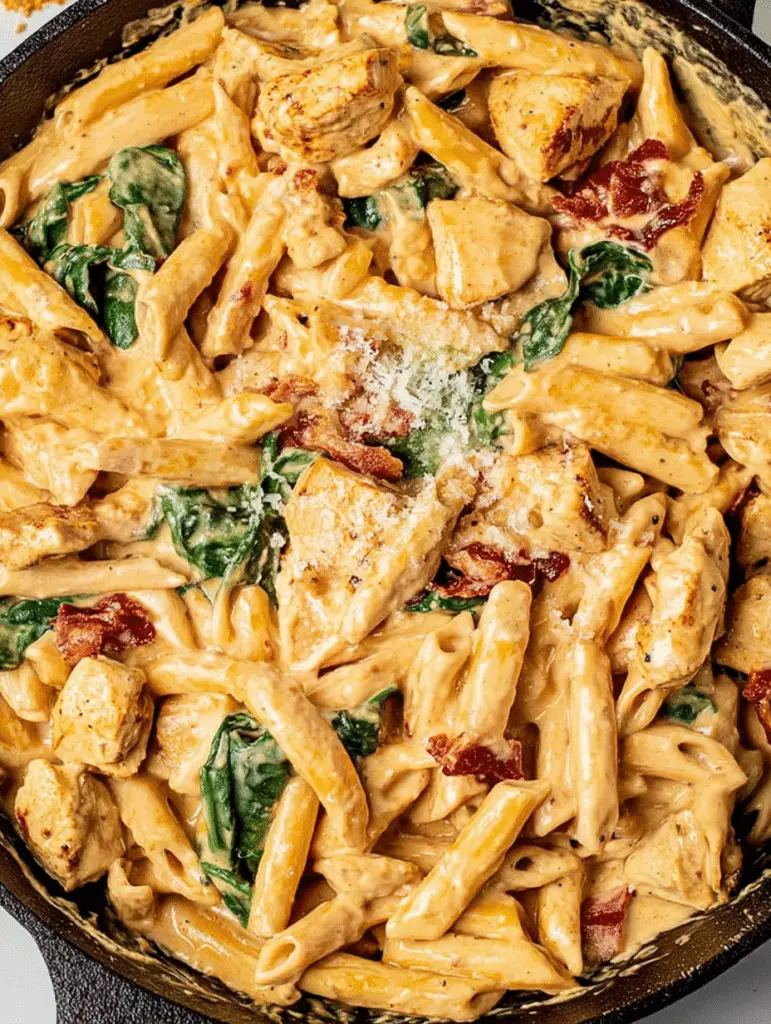
This Creamy Tuscan Chicken Pasta Is the only weeknight dinner recipe you’ll ever need. One pan. Thirty-five minutes. Golden, tender chicken strips nestled in a rich, garlicky Parmesan cream sauce with tangy sun-dried tomatoes and silky wilted spinach — all tossed with perfectly cooked pasta. It’s bold. It’s comforting. And it tastes like something you’d pay good money for at a restaurant, except you made it yourself at home on a Tuesday night. Learn more in our article about Creamy Lemon Pasta.
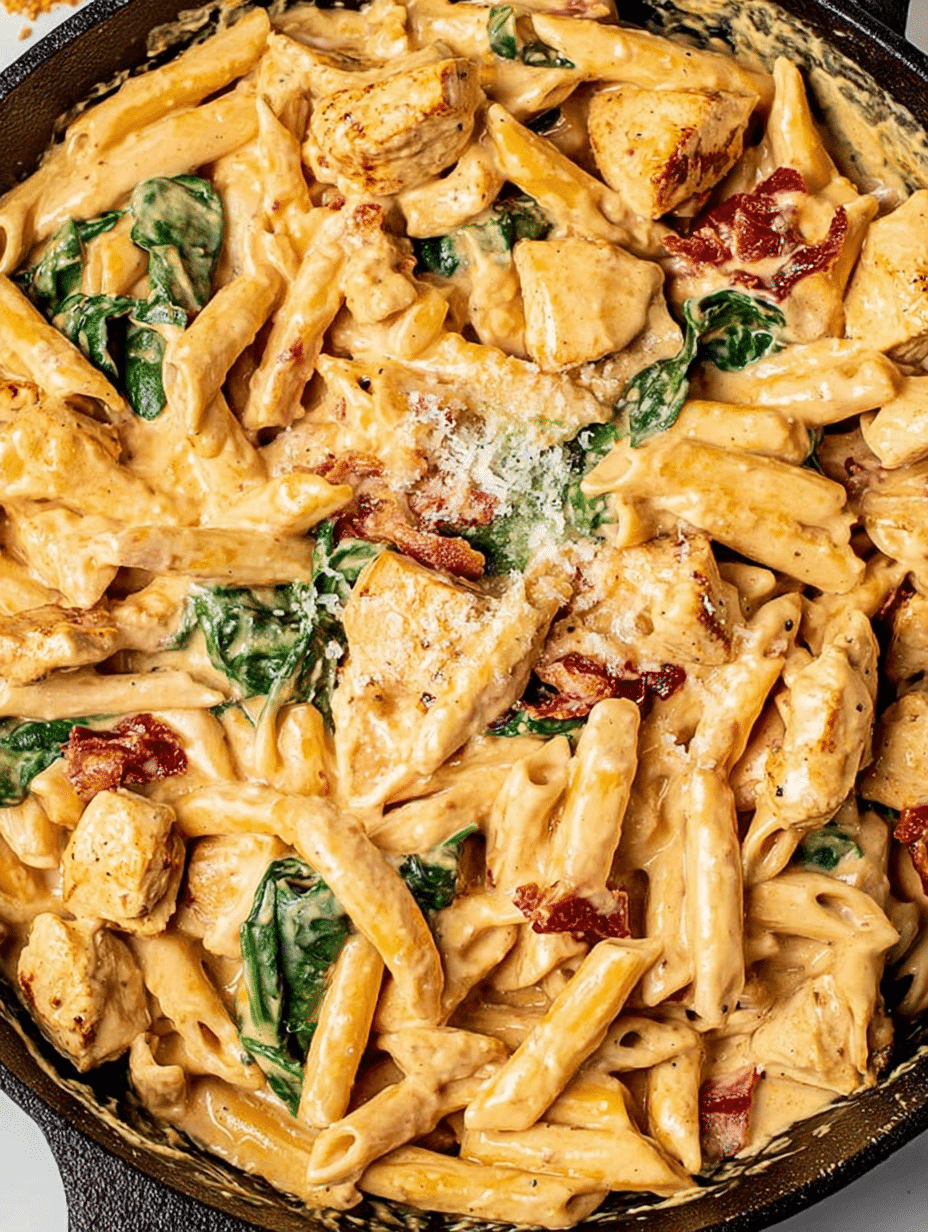
I’ve been making versions of this dish for years, and my family asks for this every week without fail. The flavor profile hits every note you want: creamy and luscious from the heavy cream and Parmesan, a little tangy brightness from the sun-dried tomatoes, a gentle kick from the red pepper flakes, and that deep savory warmth that only comes from properly seared chicken. It’s inspired by the rustic, bold cooking of Tuscany — simple, honest ingredients that do all the heavy lifting. This is a total crowd-pleaser at dinner parties and on lazy weeknights alike. Learn more in our article about Roasted Tomato and Garlic Ricotta Pasta.
One quick thing I always tell people: most recipes use way too much salt. I’ve deliberately kept the salt here in check, because the Parmesan, sun-dried tomatoes, and chicken broth already bring plenty of savory depth on their own. You can always add more at the table, but you can’t take it away. Trust the process on this one — it works.
Recipe Snapshot
| Prep Time | 10 minutes |
| Cook Time | 25 minutes |
| Total Time | 35 minutes |
| Servings | 4 |
| Difficulty | Easy |
| Cooking Method | Stovetop / One-Pan |
| Cuisine | Italian-American |
| Best For | Weeknight dinners, date nights, meal prep |
Ingredients You’ll Need
Chicken & Pasta
| Ingredient | Amount | Notes |
|---|---|---|
| Boneless, skinless chicken breasts | 1½ lbs | Sliced into ½-inch strips |
| Penne or fettuccine pasta | 12 oz | Dry, uncooked |
| Salt (for pasta water) | 1 tsp | |
| Olive oil | 1 tbsp | |
| Unsalted butter | 1 tbsp |
Aromatics & Vegetables
| Ingredient | Amount | Notes |
|---|---|---|
| Garlic cloves | 5 cloves | Minced |
| Yellow onion | 1 medium | Finely diced |
| Sun-dried tomatoes in oil | 1 cup | Drained and roughly chopped |
| Fresh baby spinach | 3 cups | Loosely packed |
Creamy Parmesan Sauce
| Ingredient | Amount | Notes |
|---|---|---|
| Heavy cream | 1½ cups | |
| Low-sodium chicken broth | ¾ cup | |
| Parmesan cheese | 1 cup | Freshly grated — not pre-shredded |
| Italian seasoning | 1 tsp | Divided |
| Crushed red pepper flakes | ½ tsp | Optional, for heat |
| Black pepper | ½ tsp | |
| Salt | To taste | Add at the end — taste first |
Garnish
| Ingredient | Amount | Notes |
|---|---|---|
| Fresh basil leaves | A small handful | |
| Extra Parmesan | As desired | For serving |
| Lemon wedges | Optional | A squeeze brightens everything up |
Kitchen Equipment Needed
- 1 large deep skillet or sauté pan (12-inch recommended)
- 1 large pot for boiling pasta
- Colander
- Sharp chef’s knife and cutting board
- Wooden spoon or silicone spatula
- Measuring cups and spoons
- Box grater (for fresh Parmesan)
How to Make Creamy Tuscan Chicken Pasta
Start with your pasta. Bring a large pot of water to a rolling boil, add 1 tsp of salt, and cook your penne or fettuccine until just al dente — that usually means pulling it 1 minute before the package says it’s done, because it will finish cooking in the sauce. Before you drain it, scoop out about ½ cup of that starchy pasta water and set it aside in a cup. You’ll be so glad you did later. Drain the pasta and set it aside while you get to work on the star of the show.
Now for the best part — the chicken. Pat your strips completely dry with paper towels. Don’t skip this step. Wet chicken steams in the pan instead of searing, and you’ll miss that gorgeous golden crust that makes this Creamy Tuscan Chicken Pasta so special. Season both sides with ½ tsp salt, ½ tsp black pepper, and ½ tsp Italian seasoning. Heat your olive oil and butter together in the skillet over medium-high heat until the butter melts and just starts to sizzle. Lay the strips in without crowding them — work in batches if you need to. Sear 4 to 5 minutes per side until they’re deeply golden and cooked through to 165°F internally. Pull them out and set them aside on a plate. I was so confident I didn’t check the recipe and used baking soda instead of baking powder. Total disaster. That kind of kitchen mistake taught me to slow down and pay attention — so read through this whole recipe once before you start cooking. It saves you every time.
Meanwhile, don’t touch that pan. All those golden, caramelized bits stuck to the bottom? That’s pure flavor. Drop the heat to medium and add your diced onion straight into the same skillet. Cook it 2 to 3 minutes, stirring occasionally, until it turns soft and translucent. Add the minced garlic and chopped sun-dried tomatoes and cook for another 1 to 2 minutes until your kitchen smells absolutely incredible — warm, garlicky, and a little sweet from those tomatoes.
Next up, the sauce. Pour in ¾ cup of chicken broth to deglaze the pan, using your wooden spoon to scrape up every last bit of fond from the bottom. Let it bubble for a minute. Then pour in 1½ cups of heavy cream along with the remaining ½ tsp Italian seasoning and the red pepper flakes if you’re using them. Stir everything together and let it simmer on medium-low heat for 4 to 5 minutes, stirring now and then, until the sauce thickens just slightly and coats the back of a spoon. Reduce the heat to low before the next step — this is important. Add your freshly grated Parmesan a little at a time, stirring as you go until it melts into something silky and smooth. Pre-shredded Parmesan will make the sauce grainy — use the real stuff and grate it yourself. Toss in the baby spinach and stir gently until it wilts down into the sauce, about 1 to 2 minutes. Taste it. Adjust for pepper. Add salt only if it needs it — and I mean really needs it.
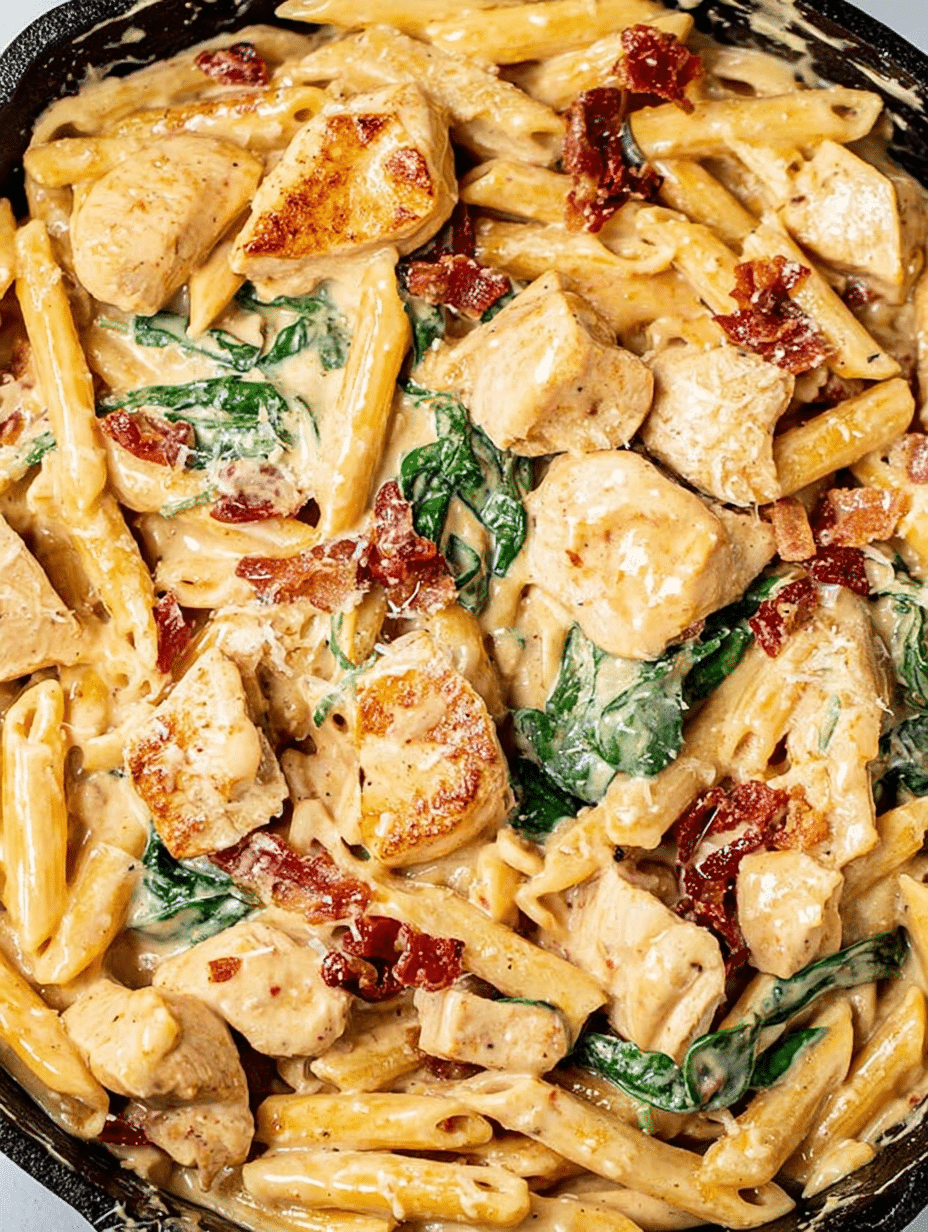
To finish, return the seared chicken strips to the skillet and add the drained pasta. Toss everything together until every piece of pasta is coated in that creamy, dreamy Tuscan sauce. If the sauce has thickened too much, splash in your reserved pasta water 2 tablespoons at a time and stir until it loosens to the consistency you love. Let the whole thing simmer together for 1 to 2 minutes so the flavors marry. This one’s a keeper — and once you plate it up, topped with fresh basil, a snowfall of extra Parmesan, and an optional squeeze of lemon, you’ll understand exactly why.
Expert Tips for the Best Tuscan Chicken Pasta Every Time
- Dry your chicken before it hits the pan. I mean it — pat those strips completely dry with paper towels. Moisture is the enemy of a golden crust. Wet chicken steams instead of sears, and you lose all that beautiful caramelized flavor before the sauce even starts.
- Grate your own Parmesan. This is non-negotiable. Pre-shredded Parmesan has anti-caking powder in it, and that powder turns your silky cream sauce grainy and lumpy. A box grater takes 60 seconds. Do it. Your sauce will be smooth, creamy, and absolutely gorgeous. And honestly? Most recipes use way too much salt — fresh Parmesan is already salty, so taste before you season.
- Never walk away from the heat when adding cream. High heat makes cream sauce split. Once you pour in the heavy cream, drop the heat to medium-low and keep stirring gently. You want a slow, steady simmer — not a rolling boil. If it splits, it’s really hard to bring back together.
- Save that pasta water. I know it sounds like something fancy chefs say, but there’s real science behind it. The starchy water helps the cream sauce cling to every piece of pasta. If your sauce gets too thick, a splash of pasta water loosens it perfectly — without thinning the flavor. A little 2 tbsp at a time is all you need. If you love creamy pasta dishes, you’ll see this same trick in my Creamy Lemon Pasta — it works every time.
- Pull the pasta out just before it’s done. Al dente means it still has a tiny bite in the center. That’s exactly what you want, because the pasta finishes cooking right in the sauce for 1–2 minutes. Overcooked pasta turns mushy and won’t hold up to all that creamy goodness.
- Deglaze fast, and scrape everything up. After you remove the chicken, there are dark, sticky bits on the bottom of the pan. Those are flavor gold. Pour in your chicken broth immediately and use a wooden spoon to scrape every bit loose. That fond goes straight into your sauce and adds incredible depth. Don’t rinse the pan — ever.
- Want to switch it up? This recipe is wonderfully flexible. Swap the chicken for large shrimp (cook just 2 minutes per side — they go fast) or try Italian sausage, crumbled and browned in the same pan. Both are crowd-pleasing options when you want something a little different. You can also toss in artichoke hearts or roasted red peppers — they play beautifully with the sun-dried tomatoes. If you enjoy bold, rustic flavors like these, my Roasted Tomato and Garlic Ricotta Pasta Is another keeper worth bookmarking.
How to Store and Reheat Tuscan Chicken Pasta
Store leftovers in an airtight container in the refrigerator for up to 4 days. The sauce thickens as it sits — that’s completely normal. When you reheat it, use the stovetop on low heat and add a small splash of heavy cream or chicken broth, stirring until the sauce loosens and gets creamy again. The microwave works too: heat at 50% power in 60-second bursts, stirring between each round. As for freezing — I don’t recommend freezing the finished dish. Cream-based sauces tend to split and turn grainy when thawed. If you want to prep ahead, freeze only the sauce (before adding the pasta) for up to 2 months, then cook fresh pasta when you’re ready to serve.
You might also like
Discover more delicious recipes in our recipe collection.
Frequently Asked Questions
Can I use chicken thighs instead of chicken breasts?
Yes, and honestly chicken thighs stay juicier and are more forgiving if you cook them a minute too long. Use boneless, skinless thighs, cut into ½-inch strips, and cook 5–6 minutes per side until the internal temperature reaches 165°F. The richer flavor pairs beautifully with the Parmesan cream sauce.
Why did my cream sauce turn grainy or split?
Two culprits: heat too high, or pre-shredded Parmesan. Always add the Parmesan on low heat and use freshly grated cheese — the anti-caking agents in bagged shredded cheese cause that grainy, broken texture. If your sauce splits, remove it from heat immediately and whisk in 2 tbsp of warm pasta water. That can sometimes bring it back together.
Can I make Tuscan chicken pasta ahead of time?
You can — but store the sauce and pasta separately. The pasta soaks up the cream sauce as it sits, and by day two it can get very thick and a little gluey. Keep them in separate airtight containers in the fridge for up to 4 days, then reheat the sauce on low heat with a splash of cream and toss with the pasta fresh. That gives you the best texture every time.
Can I freeze creamy Tuscan chicken pasta?
Not the finished dish — cream-based sauces separate when frozen and reheated, leaving you with a watery, unpleasant texture. Your best option is to freeze the sauce only (before the pasta is added) for up to 2 months. Thaw it in the fridge overnight, reheat slowly on low with a small splash of cream, and then toss it with freshly cooked pasta. If you love making big batches of pasta for the week, check out my Mediterranean Chicken Pasta Salad — it actually holds up in the fridge beautifully and is perfect for meal prep.
How do I keep the chicken from drying out?
Three things make all the difference: cut the chicken into uniform ½-inch strips so every piece cooks at the same rate, sear over medium-high heat without moving the chicken around (let it develop that golden crust and it will release naturally), and pull it off the heat the moment it hits 165°F internally. Carry-over cooking will bring it the rest of the way. Overcooked chicken seizes up fast — a meat thermometer is your best friend here.
Creamy Tuscan Chicken Pasta
Ingredients
Method
- Bring a large pot of water to a boil, add salt, and cook the pasta until just al dente. Before draining, reserve ½ cup of pasta water.
- Pat the chicken strips dry, season, and heat olive oil and butter in a skillet. Sear the chicken for 4-5 minutes per side until golden and cooked through.
- In the same skillet, cook diced onion until translucent, add garlic and sun-dried tomatoes. Cook until fragrant.
- Deglaze the pan with chicken broth, then add heavy cream, remaining Italian seasoning, and red pepper flakes. Simmer until the sauce thickens.
- Lower the heat, gradually stir in Parmesan until melted, then add spinach and let it wilt.
- Return chicken and pasta to the skillet, toss to combine, and add reserved pasta water as needed for sauce consistency.
- Serve topped with fresh basil, extra Parmesan, and a squeeze of lemon if desired.